Double Entry Accounting System

The double entry accounting system recognizes a two-fold effect in every transaction. Thus, business transactions are recorded in at least two accounts.

Under the double entry accounting system, transactions are recorded through debits and credits. Debit means left. Credit means right. The effect of recording in debit or credit depends upon the normal balance of the account debited or credited.

The general rules are:

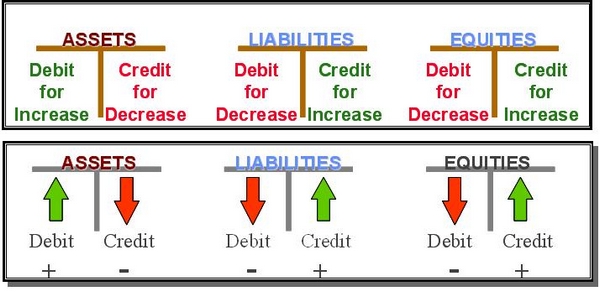
to increase an asset, you debit it; to decrease an asset, you credit it.

The opposite applies to liabilities and capital: to increase a liability or a capital account, you credit it; to decrease a liability or a capital account, you debit it. Expenses are debited when incurred, and income is credited when earned.
The double entry accounting system recognizes a two-fold effect in every transaction. Thus, business transactions are recorded in at least two accounts. Under the double entry accounting system, transactions are recorded through debits and credits. Debit means left. Credit means right. The effect of recording in debit or credit depends upon the normal balance of the account debited or credited. The general rules are: to increase an asset, you debit it; to decrease an asset, you credit it. The opposite applies to liabilities and capital: to increase a liability or a capital account, you credit it; to decrease a liability or a capital account, you debit it. Expenses are debited when incurred, and income is credited when earned.


Share through

Leave a Reply

Your email address will not be published. Required fields are marked *